
The Hilarious Lies of Fake Tarot Readers and Their Deceptive Tricks
- thebluebodhi

- Jul 7
- 4 min read
Imagine sitting down for a tarot reading, hoping to uncover your future or gain some insight. Instead, you get vague predictions, confusing advice, and a bill that feels like you just bought a ticket to a magic show. Fake tarot readers have been around for ages, and their tricks are as old as the cards themselves. But the ways they fool clients are not only sneaky—they can be downright hilarious when you know what to look for.
This post dives into the amusing world of fake tarot readers, exposing their common scams and revealing the true tricks behind their so-called mystical powers. If you’ve ever wondered how some tarot readers seem to know exactly what to say, or why their predictions always sound suspiciously vague, keep reading.
How Fake Tarot Readers Hook You In
Fake tarot readers rely on a few classic tactics to grab your attention and keep you hooked. They often start with a confident introduction, claiming to have special powers or a unique connection to the spiritual world. But the real magic is in how they make you feel.
Cold Reading: This is the bread and butter of many fake readers. They throw out general statements that could apply to almost anyone, like “You’ve faced challenges recently” or “Someone close to you is hiding something.” These statements sound personal but are actually safe guesses.
Barnum Statements: Named after the famous showman P.T. Barnum, these are vague phrases that seem specific but apply to most people. For example, “You have a great need for others to like and admire you” or “You sometimes doubt if you made the right choices.”
Mirroring Your Reactions: Fake readers watch your body language and tone closely. If you nod or look surprised, they dig deeper into that topic. If you seem confused, they switch gears quickly.
These tricks create the illusion that the reader knows your life story, but really, they are just skilled guessers.
The Deck Is Stacked: Tricks with the Cards
You might think tarot cards hold secret messages, but many fake readers use the cards as props rather than tools. Here’s how they manipulate the deck:
Pre-Arranged Cards: Some readers use decks that are already arranged in a certain order. This lets them “predict” outcomes based on a fixed sequence rather than chance.
Selective Card Pulling: Instead of shuffling thoroughly, they might subtly control which cards come up. For example, they might pull cards from the top or bottom of the deck, where they know certain cards are placed.
Card Meanings on Demand: Fake readers often have a cheat sheet or memorized meanings for cards. They pick interpretations that fit the conversation, even if the card’s traditional meaning is different.
These tricks make the reading feel personalized, but it’s mostly smoke and mirrors.
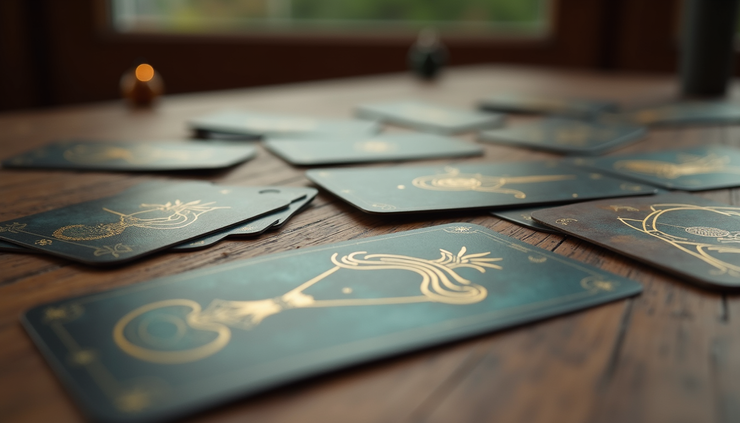
Image caption: A close-up of tarot cards arranged to create an aura of mystery during a reading.
The Art of Vague Predictions
One of the funniest things about fake tarot readers is how they master the art of vague predictions. They avoid specifics because specifics can be proven wrong quickly. Instead, they use phrases that sound meaningful but are impossible to disprove.
Examples include:
“You will face a big decision soon.”
“Someone from your past will reappear.”
“Your luck is about to change.”
These statements are so broad that they can apply to almost any situation. If you ask for more details, the reader might say the cards are unclear or that you need to come back for another session.
Emotional Manipulation and Fear Tactics
Fake tarot readers often play on emotions to keep clients coming back. They might suggest that something bad will happen if you don’t follow their advice or buy more readings.
Common tactics:
Fear of the Unknown: “If you don’t act now, you might miss your chance.”
Urgency: “The cards show a limited window for success.”
Dependency: “You need me to guide you through this difficult time.”
These tricks create anxiety, making clients more likely to spend money on additional readings or “spiritual” products.
How to Spot a Fake Tarot Reader
Knowing the tricks helps you avoid getting scammed. Here are some red flags:
Overuse of Flattery: If the reader constantly tells you how special or gifted you are, they might be trying to win your trust.
Pressure to Buy More: Genuine readers don’t push you to book multiple sessions or buy expensive items.
No Clear Credentials: Tarot reading is not regulated, but real readers usually have some background or training they can share.
Vague Answers: If every answer feels like it could apply to anyone, be cautious.
No Room for Questions: A good reader encourages questions and discussion, not just one-way predictions.
Why Do People Fall for These Tricks?
Even though the tricks are obvious once explained, many people still fall for fake tarot readers. The reasons include:
Desire for Answers: Life is uncertain, and people want guidance.
Emotional Vulnerability: During tough times, people seek comfort, even if it’s from a fake source.
Mystery and Fun: Some enjoy the entertainment value and don’t take readings seriously.
Lack of Awareness: Many don’t know about cold reading or card manipulation.
Understanding these reasons helps us approach tarot readings with a clearer mind.
When Tarot Reading Can Be Fun and Safe
Not all tarot readers are fake or deceptive. Some use tarot as a tool for reflection and conversation rather than fortune-telling. Here’s how to enjoy tarot safely:
Treat readings as entertainment or a way to explore your thoughts.
Choose readers who are transparent about their methods.
Avoid anyone who pressures you financially or emotionally.
Use tarot as a prompt for self-reflection, not a prediction of the future.


Comments