
Halloween Bonfires Through Time Ancient Roots Modern Pagan Meaning

A fire on Halloween hits different. It’s warm, dramatic, a little dangerous, and excellent at making everyone’s shadow look like it has a side quest.
That pull is old. Long before plastic pumpkins and fun-size candy bars, autumn fires marked the edge of winter, the end of the harvest, and the thinning of the boundary between the living and the dead.
The ancient spark behind Halloween fire
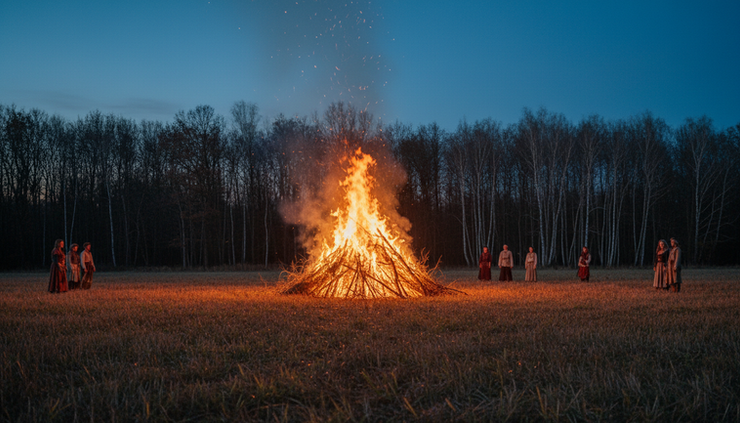
Halloween grows from several roots, but the one most tied to bonfires is Samhain, the Gaelic festival held around November 1. Medieval Irish literature treats Samhain as a major seasonal turning point. It marked the move from the bright half of the year into the dark half.
That mattered. In an agricultural society, winter wasn’t a cozy aesthetic. It was a real test. Livestock were brought in or slaughtered. Food stores were counted. The fields went quiet. Fire became practical and sacred at the same time.
Historian Ronald Hutton, in The Stations of the Sun, writes about the long history of seasonal fire customs in Britain and Ireland, though he’s careful about claiming one unbroken ancient ritual. That caution matters. Not every modern Halloween custom comes straight from Druids in a neat little package. History is messier. It’s less “ancient manual discovered in a bog” and more “centuries of people keeping what worked.”
Still, fire shows up again and again in Celtic seasonal customs. Bonfires were used for:
Protection
Smoke and flame were believed to guard people, animals, and homes from harmful forces.
Purification
Passing near fire, or moving livestock near it, symbolically cleansed and prepared them for winter.
Community
A village fire gathered everyone in one place. No Wi-Fi needed. Just sparks and gossip.
Contact with the unseen
Samhain became linked with ancestors, spirits, and liminal time. Fire gave shape to that mystery.
A Halloween bonfire, then, wasn’t just a big outdoor candle. It was a bright line drawn at the year’s dark doorway.
Fire, spirits, and the dangerous edge of the year
Samhain was a threshold. Thresholds are powerful because they’re unstable. Doorways, crossroads, dusk, midnight, shorelines, and seasonal turns all carry that same “wait, what realm are we in?” energy.
In Irish tales, Samhain is when supernatural events happen. The Otherworld draws close. Spirits roam. Heroes meet strange beings. Cattle raids, feasts, kingship tests, and uncanny visits cluster around this time.
That doesn’t mean every ancient person imagined Halloween exactly the way modern horror movies do. Ancient traditions were local, layered, and varied. But the link between late autumn, the dead, and the unseen has deep roots.
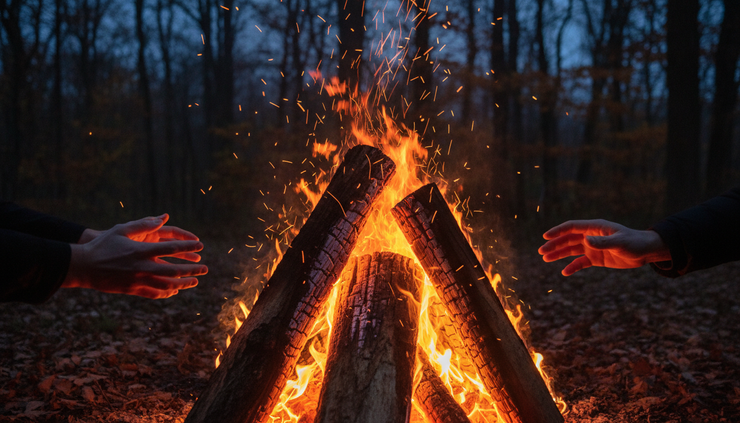
Fire helped people face that edge. It lit the dark, but it also invited respect for it. That’s the delicious paradox. Fire says, “Come closer.” Fire also says, “Not too close, friend, I bite.”
One modern practitioner described Samhain fire to me in a way many witches will recognize:
“I don’t use the fire to banish the dead. I use it to make a place warm enough to welcome them.”
That line gets to the heart of modern practice. The flame isn’t only defensive. It can be devotional.
How bonfire customs changed over time
As Christianity spread through Europe, older seasonal habits didn’t simply vanish. Many were reinterpreted. The church calendar placed All Saints’ Day on November 1 and All Souls’ Day on November 2. The night before became All Hallows’ Eve, later Halloween.
People kept lighting fires.
In Scotland, Ireland, Wales, England, and the Isle of Man, autumn fire customs survived in different forms. Some were tied to Halloween. Some were tied to later dates, especially Guy Fawkes Night on November 5 in Britain. Traditions blur over time. Customs migrate. People borrow the fun bits. Fire is very borrowable.
By the 19th and early 20th centuries, Halloween bonfires were still part of folk practice in many places. Communities burned brush piles, played games, told fortunes, and marked the night with mischief. In parts of Ireland and Scotland, young people gathered fuel for neighborhood fires. In the United States, Halloween shifted more toward costumes, parties, and trick-or-treating, especially in the 20th century.
The bonfire didn’t disappear. It just changed jobs.
It became less central in mainstream Halloween and more important in intentional spiritual practice. Today, a witch may light a backyard fire bowl, a candle on an ancestor altar, or a full community blaze where safety rules allow. Same element. Different container.
Why modern pagans still gather around the flame
For many modern pagans, Samhain is the spiritual New Year, a time to honor ancestors, release the old, and sit honestly with mortality. Fire fits that work perfectly.
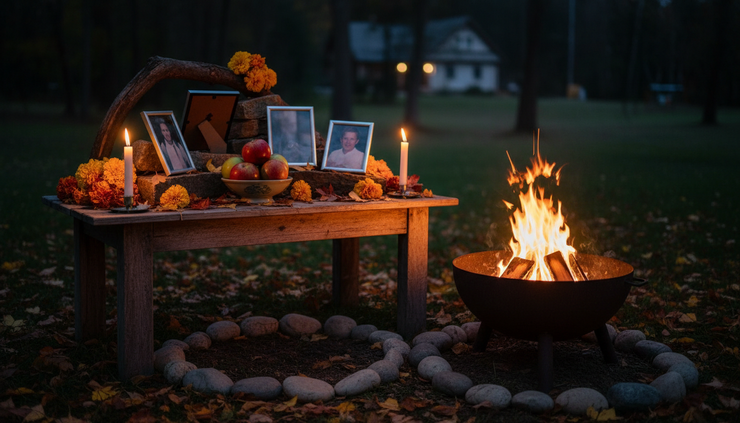
A modern Samhain fire might include:
Burning written regrets or old patterns
Lighting candles for beloved dead
Offering herbs, apples, or bread to the ancestors
Scrying in flames or smoke
Sharing stories of family, bloodline, chosen kin, and spiritual lineage
One practitioner I know keeps the ritual simple. They write the names of the dead on slips of paper, read each name aloud, then place the papers near the fire, not into it.
“The point isn’t to send them away,” they said. “It’s to remember that love changes form.”
That’s Samhain in one sentence. No fog machine required.
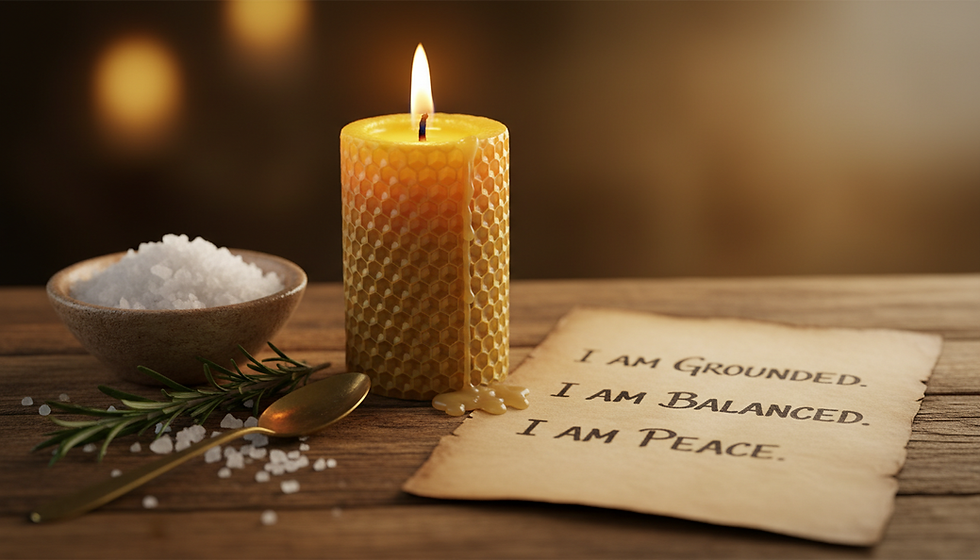
Another common practice is carrying a flame from the main fire to smaller candles. It echoes the old idea of communal fire, but with a modern twist. One flame becomes many. Every candle says, “The dark is real, and so is our light.”
The fire is still doing its old work
Halloween bonfires have changed, but their core meaning has held up surprisingly well. They still gather people. They still mark a crossing. They still comfort the living and honor the dead.
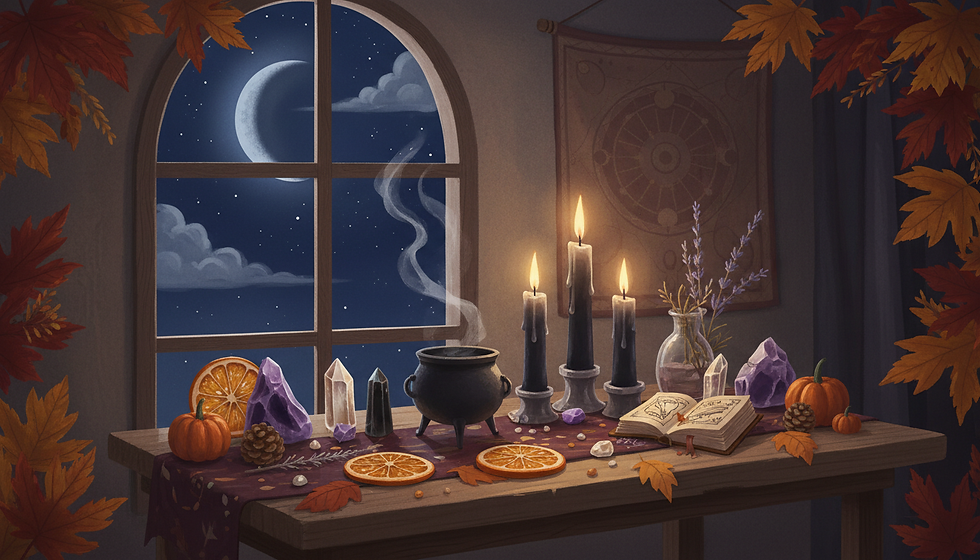
A witch, ghosts, bonfire, Halloween, night: put those together and you get more than spooky décor. You get a ritual grammar that many ancestors would understand, even if they’d be deeply confused by inflatable yard skeletons.
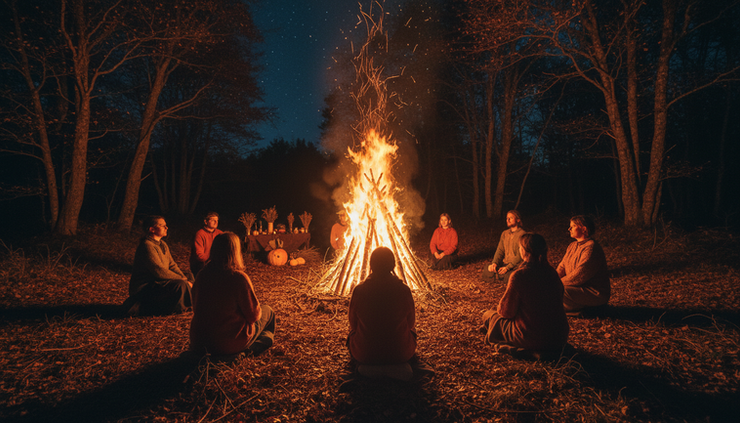
Fire teaches by doing. It transforms what it touches. It warms without asking permission. It demands care. That’s why it belongs at Halloween’s heart.
The old fires guarded the village, blessed the herd, and faced the winter. The modern fires hold grief, memory, magic, and renewal. Different centuries. Same spark.

Comments