
Exploring the Pagan Roots and Traditions of the Spring Equinox Celebrations
- thebluebodhi

- Mar 20
- 4 min read
The spring equinox marks a moment when day and night stand equal in length, signaling a shift toward longer days and the rebirth of nature. This event has inspired celebrations for thousands of years, many of which trace back to ancient pagan traditions. Understanding these roots reveals how early cultures honored the balance of light and darkness, the renewal of life, and the promise of growth. This post explores the history, customs, and significance of the spring equinox in pagan cultures, offering insight into how these ancient practices continue to influence modern celebrations.

The Meaning of the Spring Equinox in Pagan Beliefs
For many pagan cultures, the spring equinox represented a powerful symbol of balance and renewal. The day when light and darkness are equal was seen as a moment of harmony between opposing forces. This balance was not only physical but spiritual, reflecting the cycle of life, death, and rebirth.
The equinox also marked the end of winter’s harshness and the beginning of the fertile season. It was a time to honor the earth’s awakening and the return of warmth and growth. Many pagans viewed this as a sacred opportunity to connect with nature’s rhythms and express gratitude for the abundance to come.
Ancient Traditions and Rituals
Across Europe and beyond, ancient peoples developed unique ways to celebrate the spring equinox. These traditions often involved ceremonies, feasts, and symbolic acts that reinforced the themes of balance and renewal.
Stone Circles and Alignments
Sites like Stonehenge in England and Newgrange in Ireland are famous for their alignment with the sun during the equinox. At these locations, the rising sun illuminates specific stones or chambers, marking the exact moment of balance. These events likely served as communal gatherings for rituals honoring the sun and the changing seasons.
Planting and Fertility Rites
Many pagan groups performed planting ceremonies during the equinox. Seeds were sown as a symbol of new life and hope for a bountiful harvest. Fertility rites, often involving dance, music, and offerings, celebrated the earth’s creative power and encouraged growth in crops, animals, and people.
Fire and Light Ceremonies
Fire played a central role in many equinox celebrations. Lighting bonfires or candles symbolized the return of the sun’s strength and the triumph of light over darkness. These ceremonies often included prayers or chants to invoke protection and blessings for the coming season.
Celebrations Around the World
While European pagan traditions are well-known, spring equinox celebrations appear in many cultures worldwide, each with its own customs and meanings.
Ostara in Germanic Traditions
Named after the goddess Eostre, Ostara is a festival that honors fertility, renewal, and the dawn of spring. Eggs and hares, symbols of fertility, are common motifs. Modern pagan groups often celebrate Ostara with rituals that include planting seeds, decorating eggs, and sharing meals.
Nowruz in Persian Culture
Nowruz, the Persian New Year, coincides with the spring equinox and celebrates rebirth and renewal. It involves cleaning homes, preparing special foods, and setting a Haft-Seen table with symbolic items representing health, prosperity, and happiness.
Chichen Itza in the Maya Civilization
The ancient Maya built the pyramid of Kukulkan to align with the equinox sun. During the equinox, the setting sun creates a shadow that looks like a serpent descending the pyramid’s steps. This event attracted large gatherings and was a time for ceremonies honoring the gods and the cycle of life.
Modern Pagan Practices
Today, many people who follow pagan or earth-based spiritual paths continue to celebrate the spring equinox with rituals inspired by ancient customs. These modern practices often emphasize personal connection to nature and the cycles of the earth.
Outdoor Gatherings
Pagans often meet outdoors to observe the equinox, holding ceremonies at sunrise or sunset. These gatherings may include meditation, chanting, or sharing stories about the significance of the season.
Symbolic Acts
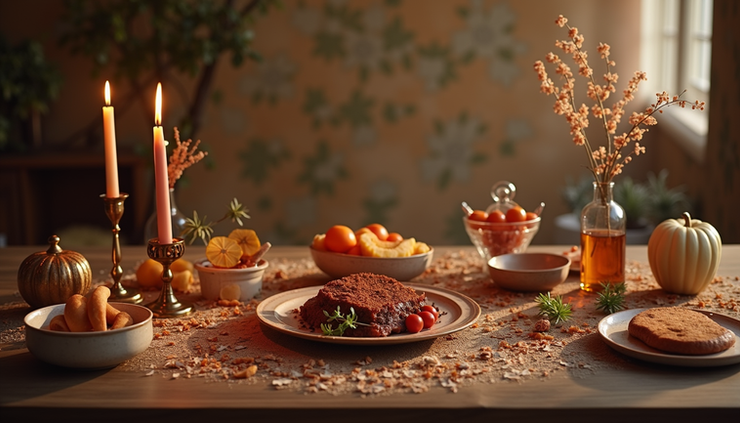
Planting seeds, decorating altars with spring flowers, and lighting candles are common ways to honor the equinox. These acts serve as reminders of growth, balance, and the ongoing cycle of life.
Community Feasts
Sharing food with friends and family strengthens bonds and celebrates abundance. Traditional foods might include fresh greens, eggs, and baked goods, reflecting the themes of fertility and renewal.

Why These Traditions Matter Today
The spring equinox offers a chance to pause and reflect on balance in our own lives. The ancient pagan celebrations remind us of our connection to the natural world and the importance of honoring its cycles. In a fast-paced modern world, these traditions encourage mindfulness, gratitude, and a sense of renewal.
By embracing the spirit of the equinox, anyone can find meaning in the changing seasons. Whether through planting a garden, lighting a candle, or simply appreciating the lengthening days, the lessons of the past continue to inspire us. This cool ass post created with AI by The Blue Bodhi


Comments