
Crossroads & Threshold Magic: Where the World Holds Its Breath
- Scarly

- Dec 16, 2025
- 3 min read
There are places where the world thins.
Where time pauses, sound softens, and the unseen leans closer, not to intrude, but to listen. These places are neither here nor there, yet they belong to both. In folk magic, they are known as thresholds. In spirit work, they are moments of becoming. In the language of the ancestors, they are doors that remember being open.
A crossroads is more than intersecting roads. A doorway is more than wood and frame. Dawn is more than morning. Each is a place of suspension, a held breath between states. Magic thrives there, not because it is loud, but because it is possible.
Across cultures and centuries, liminal spaces have been treated with reverence and caution. They are not owned by any one spirit or tradition. They belong to transition itself.

The Nature of Liminal Power
Threshold magic does not force change, it allows it.
In these spaces, the old loosens its grip. Certainty softens. Identity becomes fluid. This is why spirits are said to gather there, why offerings are left, why prayers spoken at such moments feel heavier, as though the air itself is listening.
In brujería and folk traditions, crossroads are places of petition and release. They are chosen for work involving paths, decisions, endings, and beginnings. Not because the crossroads grants favors, but because it reflects the truth already present: more than one way forward exists.
Thresholds mirror inner states. Grief. Initiation. Healing. Desire. Fear. These are not destinations, but passages. Magic recognizes this and meets the practitioner there, halfway between what was and what could be.
Sacred Moments That Act as Doorways
Not all thresholds are physical.
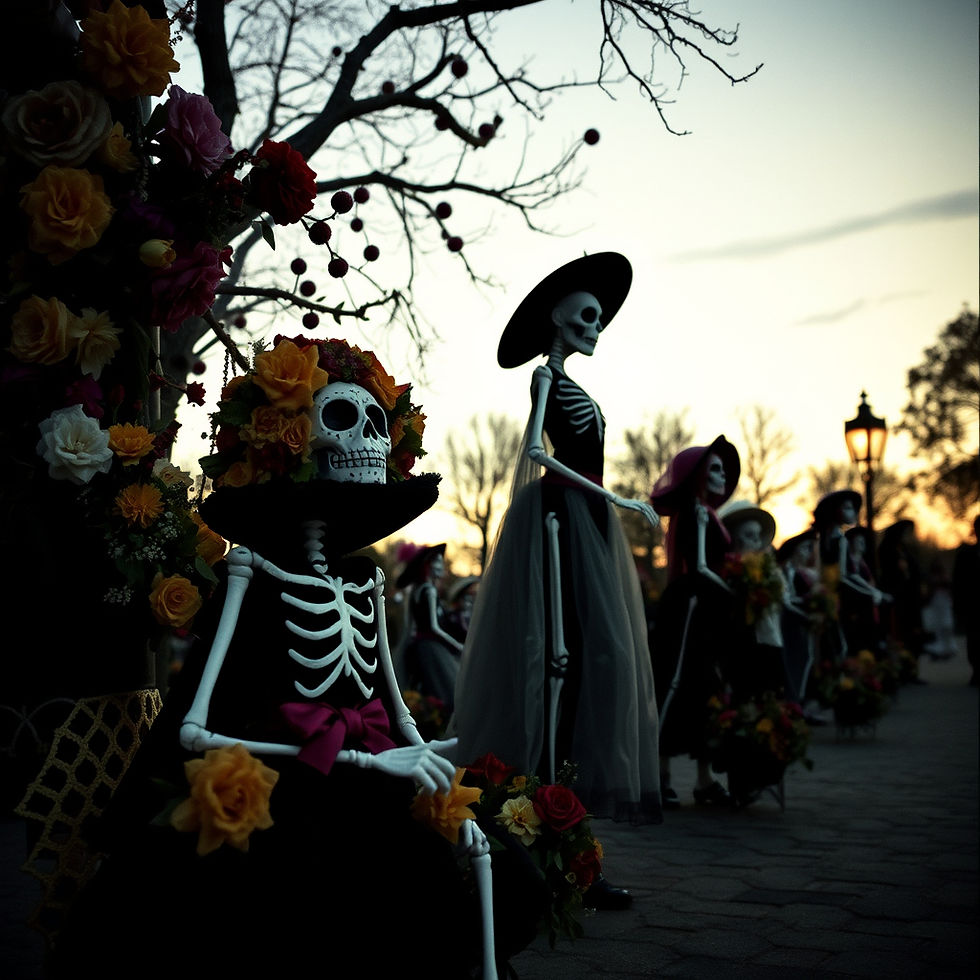
Twilight, when day surrenders to night, is a time long honored for spirit contact. The sun has not fully gone, yet darkness has begun to speak. Midnight carries a similar hush. So does dawn, when the world exhales and starts again.
Seasonal thresholds hold their own gravity. The turning of the year, the first cold night, the final harvest, these moments were once marked not with spectacle, but with quiet attention. The ancestors knew that what is acknowledged does not wander astray.
Even the body has thresholds. The breath between inhalation and exhalation. Sleep. Illness. Recovery. Grief. Birth. Death. Magic recognizes these states not as weaknesses, but as openings.
Crossroads as Spiritual Teachers
To stand at a crossroads is to admit uncertainty.
There is humility in that. Power, too.
Folk magic does not demand absolute clarity. It understands that confusion can be fertile. That restlessness often signals readiness. That hesitation is not failure, it is awareness.
Crossroads teach discernment. They ask which paths feel alive, which feel heavy, which feel familiar simply because they are known. Spirits associated with crossroads are often guardians, messengers, or tricksters, not to deceive, but to disrupt complacency.
Offerings left at crossroads are not bribes. They are acknowledgments. A way of saying: This moment matters. This choice is sacred.
Thresholds in the Home
The front door is a spell in itself.
It separates the private from the public, the safe from the unknown. In folk belief, doors and windows are watched carefully, not out of fear, but respect. What crosses a threshold carries intention, whether spoken or not.
Kitchens, too, are thresholds, between nourishment and ritual, survival and care. Beds are liminal places where consciousness drifts. Mirrors reflect more than faces. Floors remember footsteps.
To tend a threshold is to tend the flow of life. Cleansing, blessing, adorning, these acts are quiet forms of magic that speak directly to the unseen.

Working With, Not Against, the In-Between
Threshold magic does not rush.
It waits. It listens. It aligns.
Rather than demanding immediate outcomes, it prepares the ground. It removes obstacles gently. It invites clarity to arrive when it is ready, not when it is forced.
This kind of magic is especially powerful during times of transition: career changes, relationship shifts, spiritual initiations, grief, healing, or periods of profound questioning. The work is not about control, it is about readiness.
To work with liminal energy is to trust that not knowing is sometimes the most honest place to stand.
A Quiet Reverence
In a world that demands answers, thresholds offer permission to pause.
They remind that life unfolds in stages, not straight lines. That magic does not always arrive as fireworks, it often comes as a subtle realignment, a soft internal click, a sense that the road ahead, though unclear, is open.
The crossroads does not choose the path.
The threshold does not push one through.
They simply hold space while the soul remembers how to move.
And sometimes, that is the most powerful magic of all.


Comments